


Remove your license plate from your vehicle. Clean and dry the surface. Lay it on a dry surface.

Before spraying, cover the surrounding area. Apply PhotoBlocker in even coats until the plate is saturated. Let it dry until tacky, then repeat 3–4 times for a glossy finish.

Once your license plate is dry to the touch, place it back on your vehicle and you have protected your privacy.

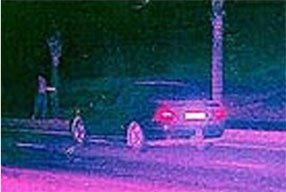
Creates a specular (mirror-like) surface in most circumstances. When hit by a high-intensity speed camera, red light camera, toll camera or Flock Safety camera infrared flash, it "whites out" the image, making the plate illegible to the sensor. If any part of the license plate image is unreadable the ticket is most probably tossed as it would not be admissible.
Make your car invisible & protect your privacy. Every time you go past one of those money making speed or red light cameras, you have increased your chance of avoiding a ticket. Having said that, don't speed & don't run relights. Products sold as NOVELTY item. Please check local motor vehicle code. Not recommended for use on public roads.


Constitutional Concerns & Your Rights
Across the United States, automated traffic enforcement systems—such as red light cameras, speed cameras, toll cameras and Flock Safety Cameras—have raised important constitutional questions, particularly regarding due process, privacy and fairness.
 Presumption of Guilt vs. Due Process
One of the most debated issues is whether these systems improperly assume that the registered vehicle owner is responsible for a violation, rather than proving who was actually driving. Critics argue that this may conflict with the fundamental legal principle that individuals are presumed innocent until proven guilty.
In several jurisdictions, courts have scrutinized whether automated enforcement programs provide sufficient procedural safeguards—such as the ability to confront evidence, challenge liability, and ensure accurate identification of the driver.
 Ongoing Legal Challenges
Legal challenges to automated enforcement systems are ongoing. While many courts have upheld these programs under certain conditions, others have limited or struck them down when they were found to lack adequate due process protections.
These rulings highlight an evolving legal landscape where the balance between public safety and individual constitutional rights continues to be actively debated.
 Why This Matters
Understanding your rights is essential. Regardless of where you live, you should be aware of:
Your right to contest a citation
The burden of proof required by law
How liability is assigned in your jurisdiction
The procedures available to challenge automated enforcement
Laws and interpretations vary by state and locality. Always review your local regulations or consult a qualified attorney if you have questions about your rights.